Curriculum explorer
Twelve modules. One season. Built for your crop.
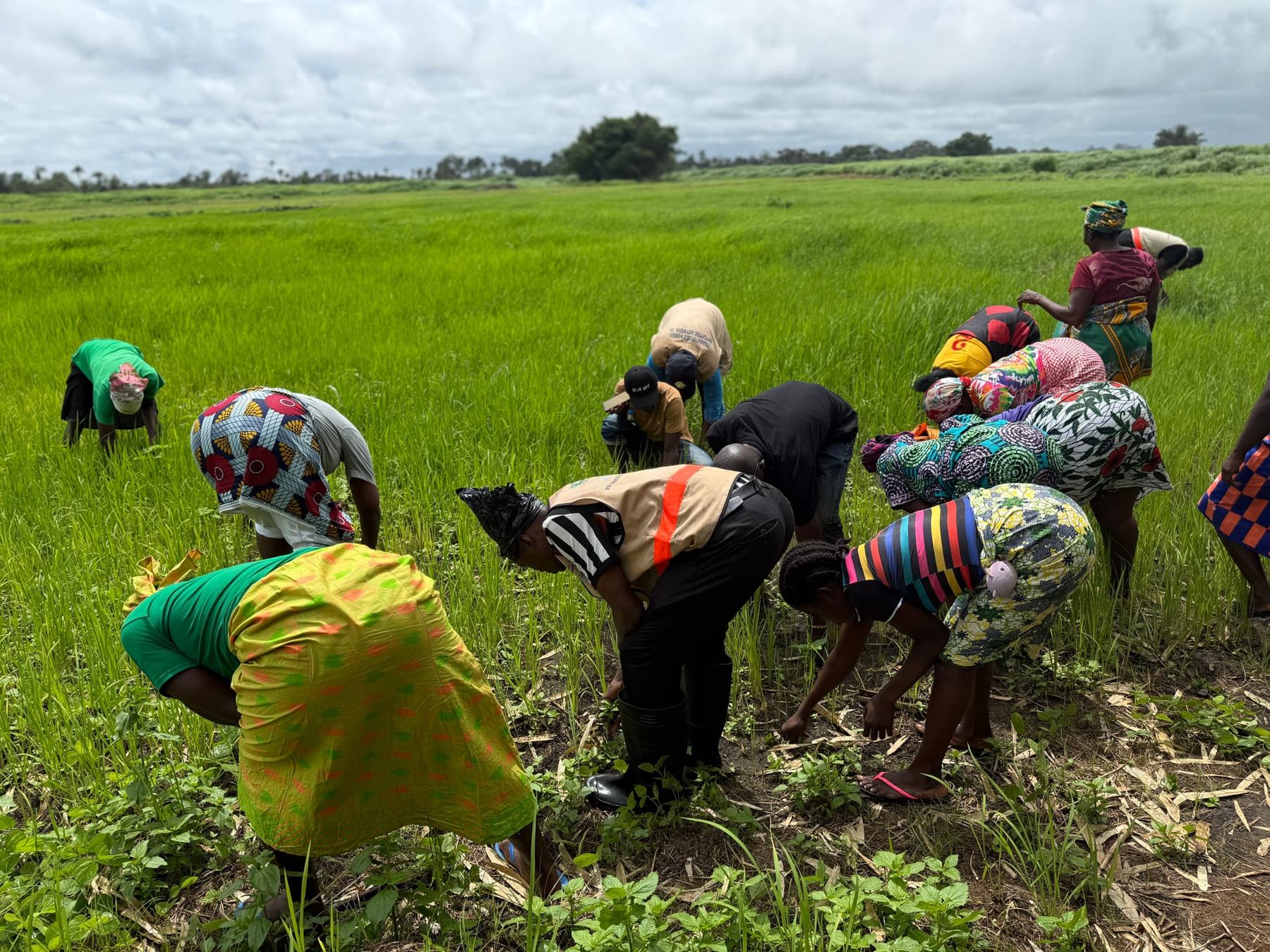
Modules 0–11 follow the farming calendar over roughly 22 weeks, delivered in cohorts by a local Field Facilitator — in your language, on your phone.
Modules 0–11
The season at a glance
- 0
Orientation & the Certification Pathway
Week 1
How the season works, what the Academy does — and why training completion is not certification.
- 1
Site History & Farm Mapping
Weeks 2–3
Land-use history, plot boundaries and geolocation — the foundation of EUDR deforestation-free evidence.
- 2
Soil Health & Land Preparation
Weeks 4–5
Soil testing, erosion control and preparation practices that protect long-term productivity.
- 3
Planting Material & Propagation
Weeks 6–7
Certified seed and seedlings, nursery management and variety selection per crop track.
- 4
Fertiliser & Nutrient Management
Weeks 8–9
Right product, right rate, right time — with the application records auditors expect.
- 5
Integrated Pest Management & Crop Protection
Weeks 10–11
Safe pesticide handling, storage, pre-harvest intervals and IPM alternatives.
- 6
Water Management
Week 12
Water sources, quality risks and efficient irrigation for smallholder plots.
- 7
Harvest & Post-Harvest Handling
Weeks 13–14
Hygiene, drying, storage and loss reduction from farm gate to buyer.
- 8
Environmental & Waste Management
Weeks 15–16
Biodiversity, waste streams and conservation records — the second pillar of the EUDR packet.
- 9
Worker Health, Safety & Welfare
Week 17
PPE, first aid, child-labour safeguards and fair working conditions.
- 10
Group Certification Readiness (Option 2)
Weeks 18–19
Internal management systems, Group Lead and Record-Keeper roles for cooperative readiness.
- 11
Records, Traceability & Mock Audit Window
Weeks 20–22
Complete record-keeping and a practice audit — preparation only, before the independent JAPAC-GAP audit.
Crop tracks
Same standard, crop-specific practice
Nigeria
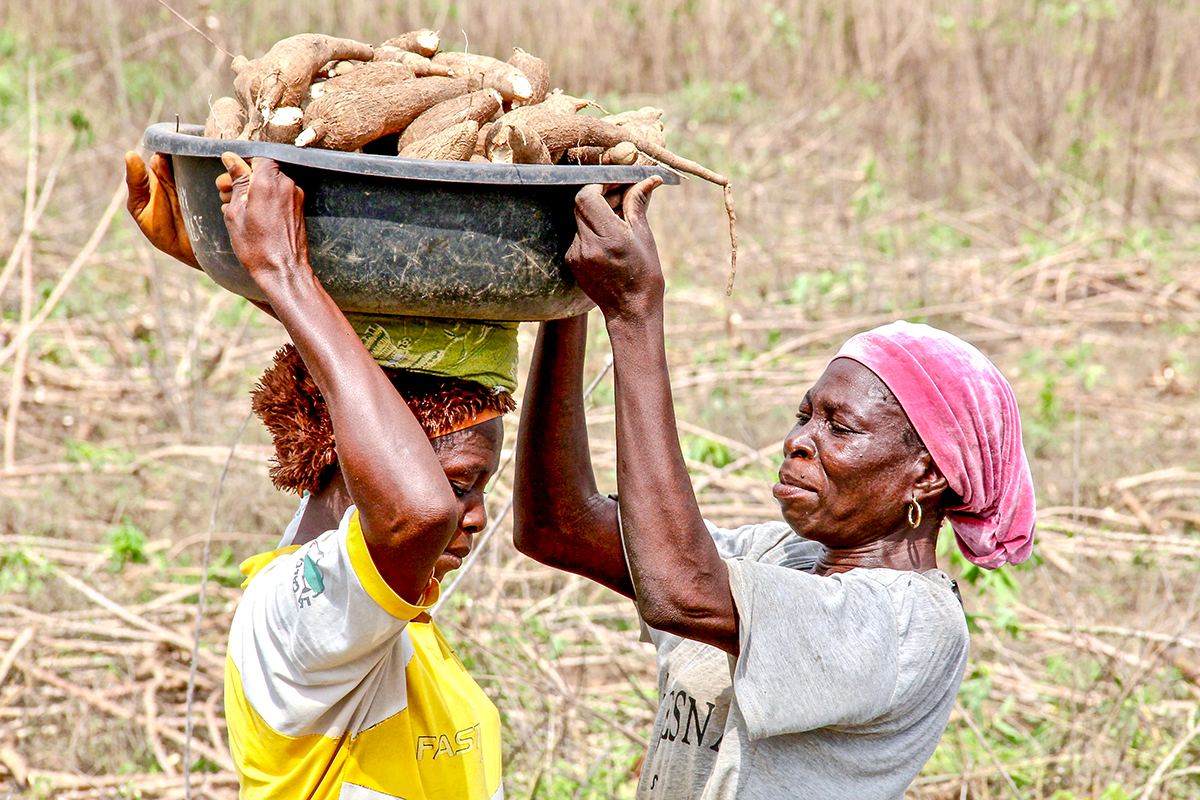
Cassava
High-yield processing & export-grade chips
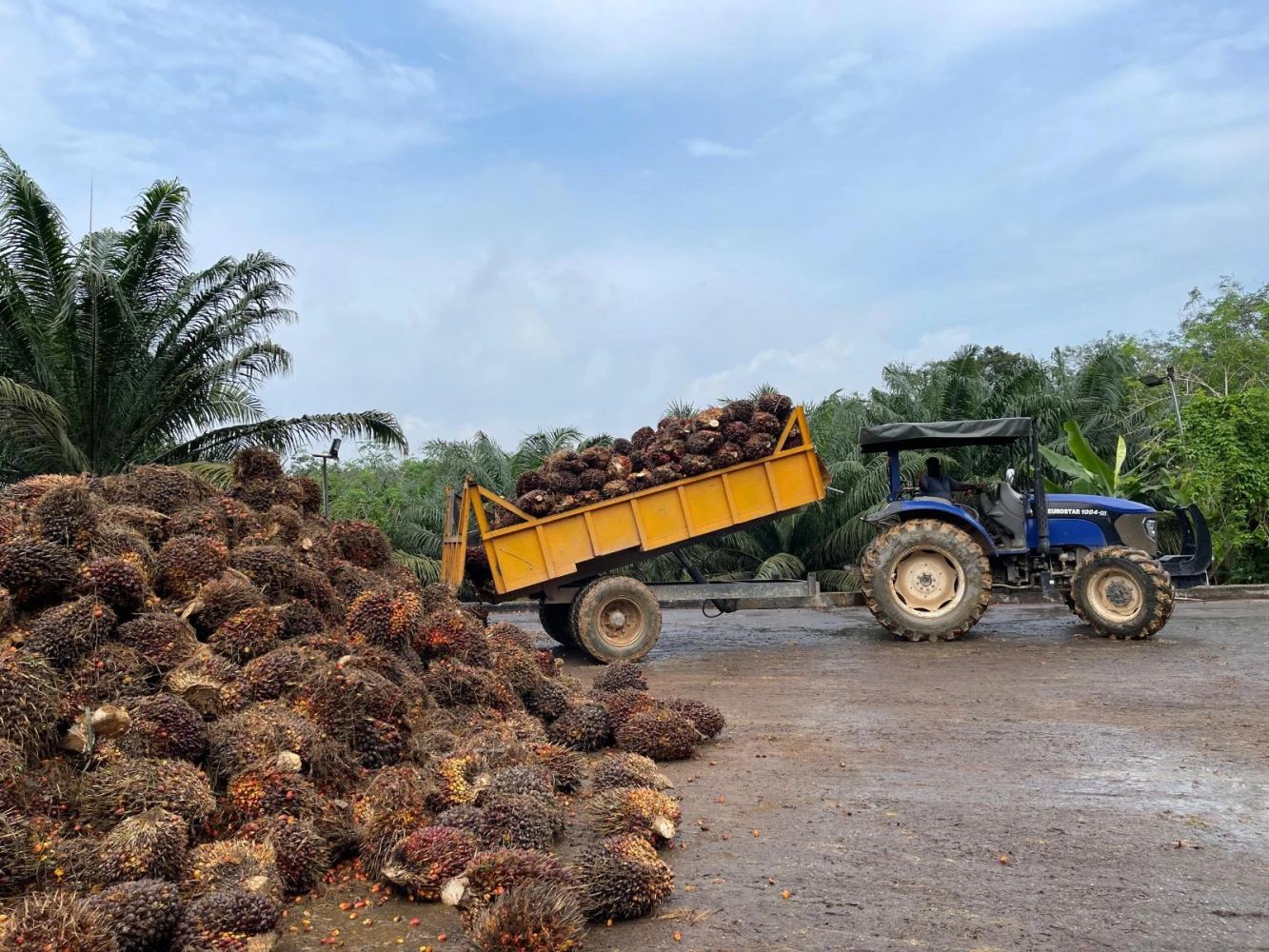
Oil Palm
Aligned to the Akwa Ibom palm oil revival
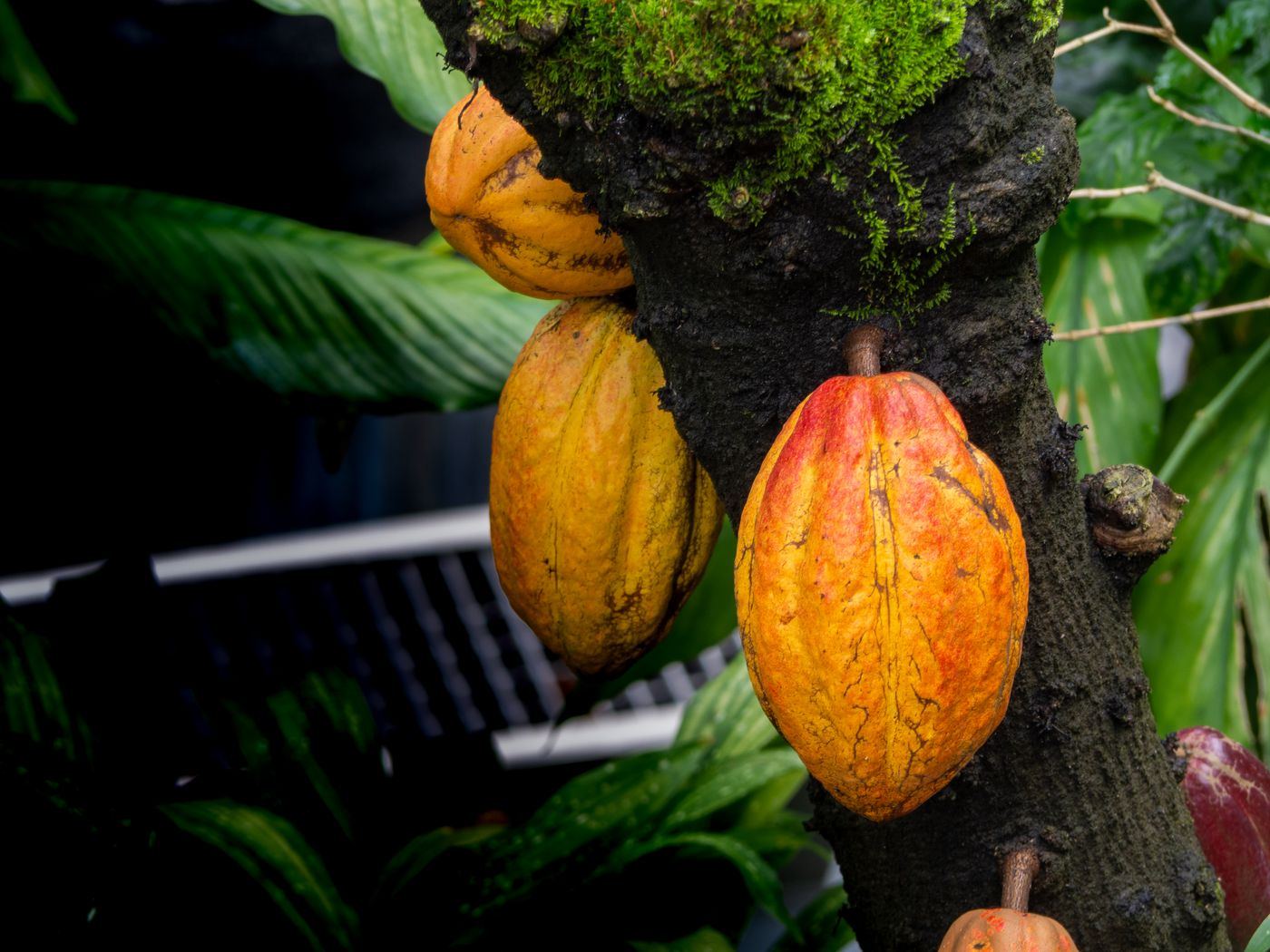
Cocoa
EUDR-ready bean supply chains
Papua New Guinea
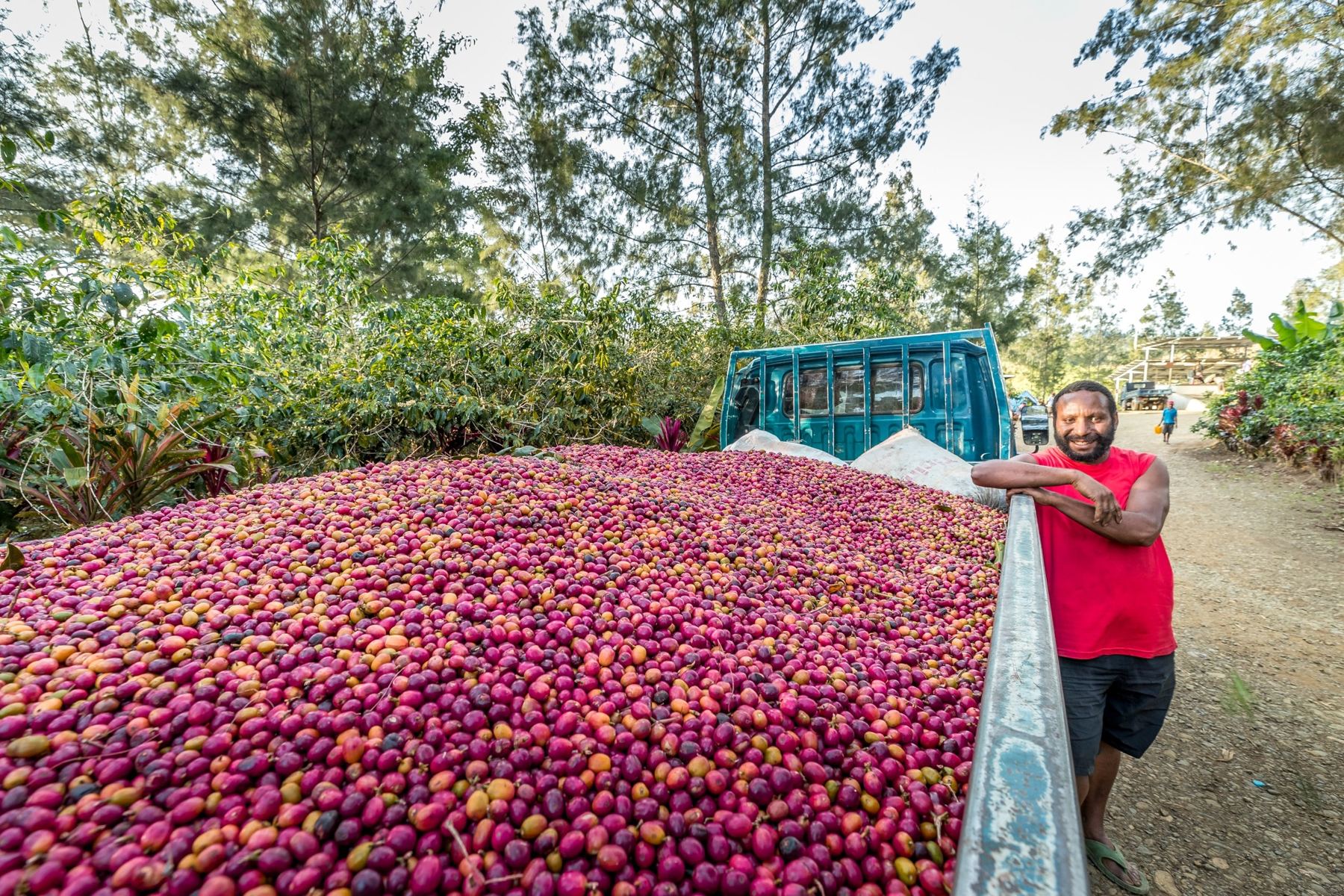
Coffee
Highlands smallholder coffee, Tok Pisin delivery
Cocoa
Island cocoa with traceability records
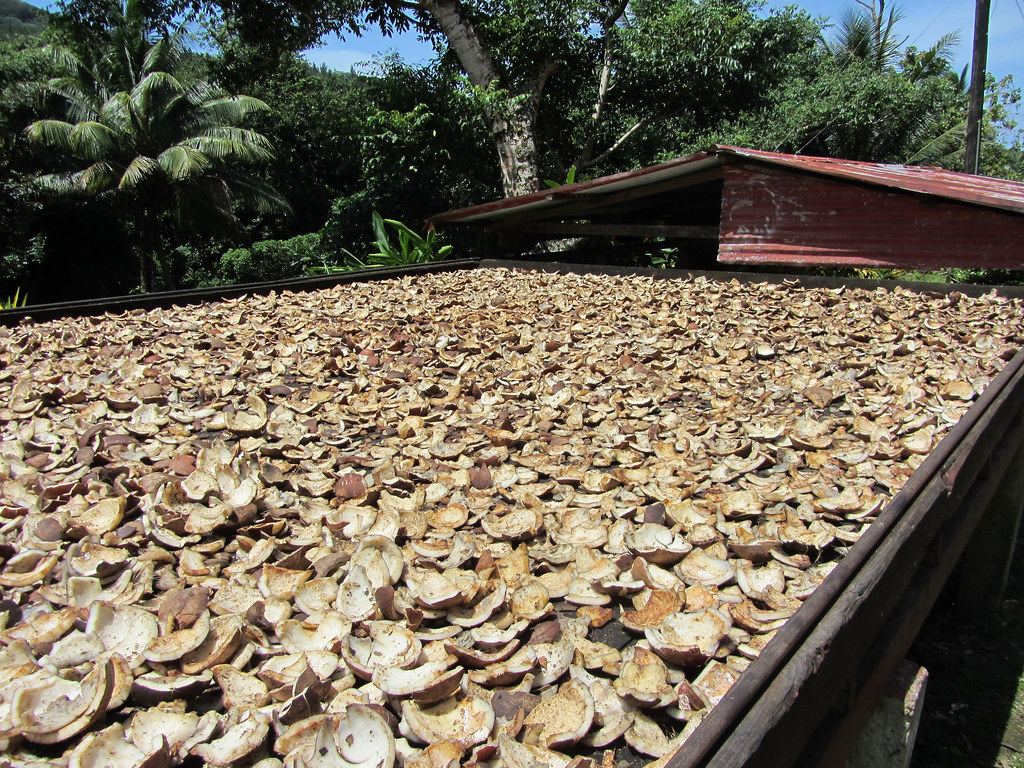
Copra
Coconut & copra drying best practice
Oil Palm
Smallholder out-grower schemes
🇳🇬 Nigeria
English · Hausa · Igbo · Ibibio/Annang/Efik
🇬🇭 Ghana
English · Twi · Ewe
🇰🇪 Kenya
English · Swahili
🇵🇬 Papua New Guinea
Tok Pisin · English
Pricing (Nigeria)
Choose your training tier
Per farmer, per season. Local pricing applies in Ghana, Kenya and PNG.
Tier
GAP Basic
NGN 100,000
- Modules 0–11 cohort training
- Field Facilitator support
- WhatsApp / USSD learning prompts
- Certificate of Training Completion
Most popular
GAP + Trained
NGN 250,000
- Everything in GAP Basic
- On-farm facilitator visits
- Record-keeping starter kit
- Mock Audit Window participation
Tier
GAP Export-Ready
NGN 450,000
- Everything in GAP + Trained
- EUDR Compliance Packet add-on
- Marketplace storefront listing
- Post-graduation advisory credits
Completion ≠ Certification
FarmSync Academy trains farmers. JAPAC-GAP certifies them. Per ISO/IEC 17065, these cannot be the same entity. No Readiness Score, completed module or paid tier on this platform is a certification result. Farm and training data belongs to the farmer or cooperative — this platform supports them; it does not audit them.